

Discover the Transformative Benefits of Yin Yoga for Mind and Body

Yin yoga offers a unique approach to wellness that goes beyond the physical. Unlike more active yoga styles, yin yoga focuses on slow, deep stretches held for several minutes. This practice targets the connective tissues, such as ligaments and fascia, joint health and strength. At the same time, it encourages mindfulness and relaxation, making it a powerful tool for both body and mind.
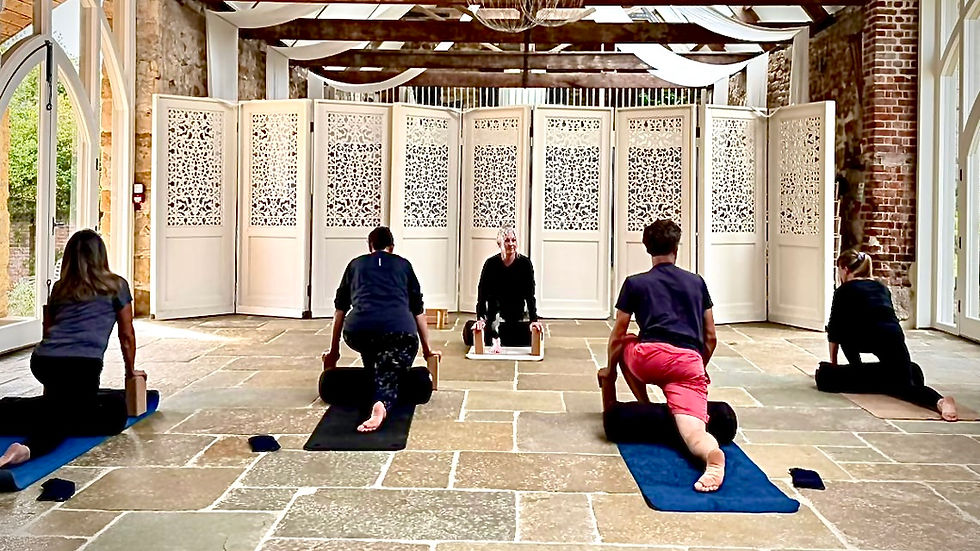
How Yin Yoga Supports Physical Health
Yin yoga differs from dynamic yoga styles by holding poses for three to five minutes or longer. This extended duration allows the body to:
Increase joint mobility by gently stressing the connective tissues
Improve circulation in areas that often receive less attention during active movement
Release tension in muscles and fascia, reducing stiffness and discomfort
For example, holding a seated forward fold for several minutes stretches the spine and hamstrings deeply, which can relieve lower back pain and improve posture. People with sedentary lifestyles or those recovering from injuries often find yin yoga a gentle way to regain mobility without strain.
The Mental and Emotional Benefits of Yin Yoga
Yin yoga encourages stillness and mindfulness, which helps calm the nervous system. Holding poses quietly invites practitioners to focus on their breath and bodily sensations, promoting:
Stress reduction by activating the parasympathetic nervous system
Improved emotional balance through mindful awareness of thoughts and feelings
Enhanced concentration by training the mind to stay present
Many people report feeling more centered and relaxed after a yin yoga session. This mental clarity can carry over into daily life, helping to manage anxiety and improve sleep quality.
Practical Tips for Starting Yin Yoga
If you are new to yin yoga, here are some tips to get the most from your practice:
Use props like bolsters, blankets, or blocks to support your body and maintain comfort during long holds.
Focus on your breath, keeping it slow and steady to deepen relaxation.
Avoid pushing into pain; yin yoga should feel like a gentle stretch, not discomfort.
Start with shorter holds, around one to two minutes, and gradually increase as your body adapts.
Combine yin yoga with more active practices for a balanced fitness routine.
Why Yin Yoga Complements Other Forms of Exercise
Yin yoga works well alongside more vigorous activities such as running, weightlifting, or dynamic yoga styles. It helps balance the body by:
Stretching tight muscles that become shortened through repetitive motion
Supporting joint health to prevent injuries
Providing mental rest and recovery
Athletes and fitness enthusiasts often include yin yoga in their schedules to improve flexibility and maintain long-term mobility.

Comments